


Strategic planning for hotel photography: from shot list to team coordination
The hotel has decided to move forward with a new photo-production. Whether you’re updating marketing visuals, showcasing renovated spaces, or working on a brand repositioning, effective planning for hotel photography will directly influence the quality of your visual assets. The more complex the operation and the more ambitious the goals, the more crucial it is to begin early with a clear structure and a defined focus.
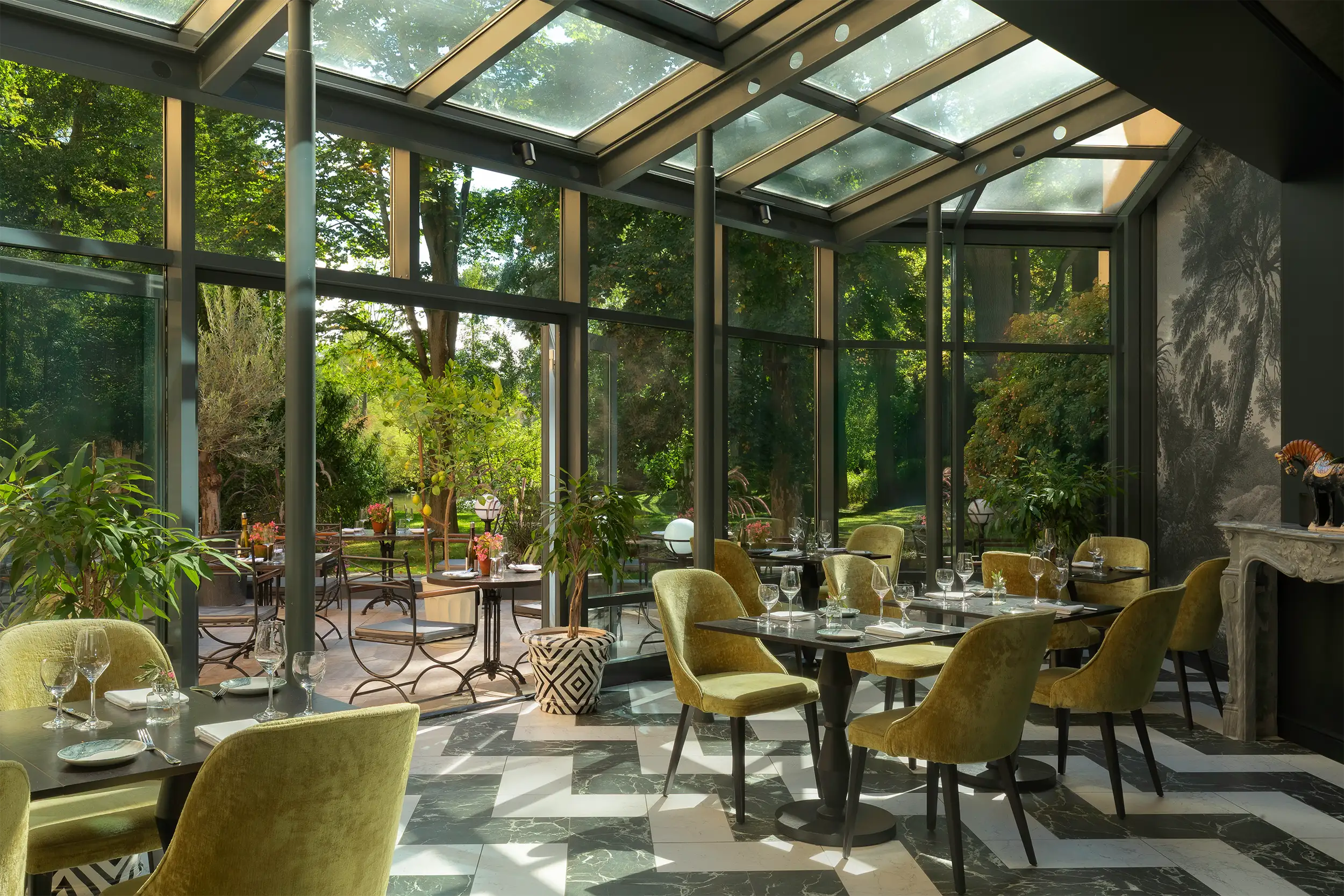
The role of visual content in hotel branding
Before creating a concrete shot list, define the role of the planned images within your marketing communication. The purpose of the visuals will define not only the choice of scenes, but also the styling, use of atmosphere and emotion, and the final format of the output. Hotels typically use photographs across various channels (website, OTA, social media, print, etc.), which shifts the focus from where the images appear to how they resonate and what message they communicate.
Timing your hotel photoshoot: How to choose the right moment
- When planning a hotel photoshoot, it’s essential to consider space availability, operational intensity, marketing priorities, and the quality of natural light throughout the year.
- City hotels
Ideal timing: March, April, May, September, October
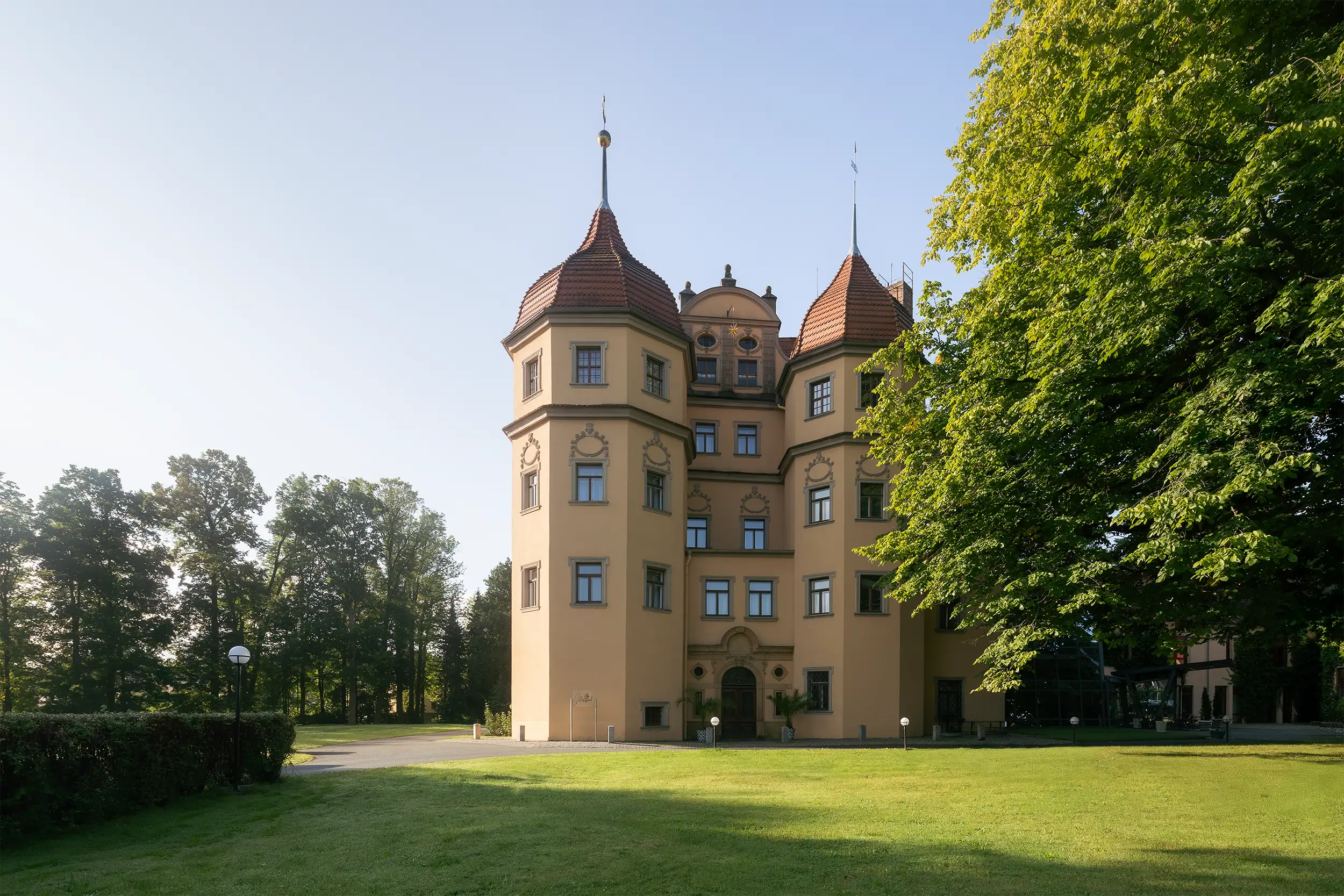
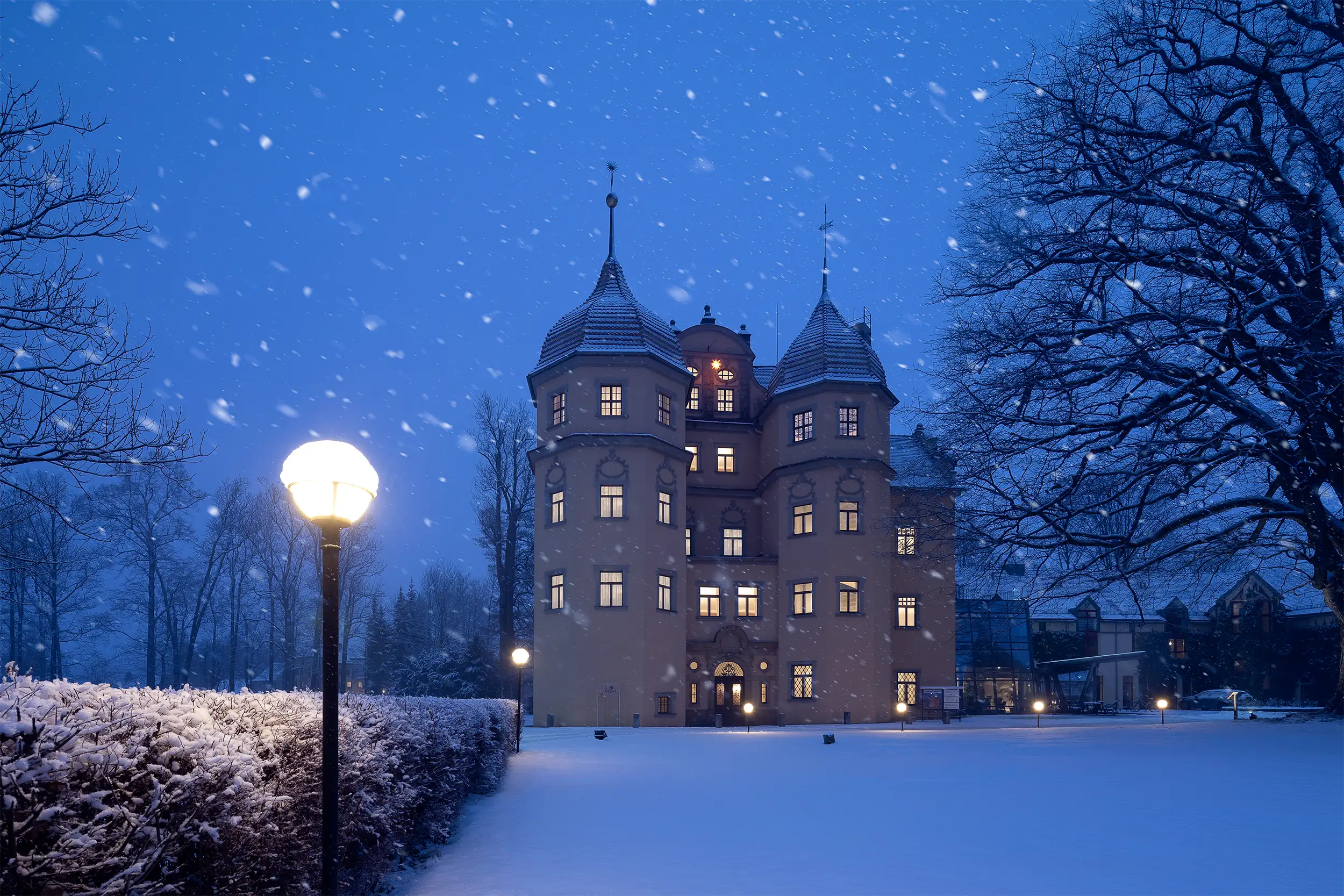
Summer and the Christmas season tend to be the busiest, making coordination and preparation more difficult. Spring and autumn usually offer milder operations, softer light, and smoother planning conditions. Winter brings shorter days and less predictable light, which can complicate exterior shots. - Resorts and coastal destinations
Ideal timing: April, May, and September
Shoulder seasons are ideal for capturing fully prepared outdoor spaces without the pressure of peak occupancy. Lower sun angles provide softer light, enhancing the look of exteriors. In contrast, high season can be logistically demanding and may limit access to certain areas. - Mountain and nature hotels
Ideal timing: depends on the season focus (winter or summer)
To showcase the winter season, aim for periods with consistent snow cover, but plan for shorter days and stretched hotel staff. For other uses, spring or autumn during lower occupancy tends to be more manageable. - Wellness & spa destinations
Ideal timing: depends on individual hotel
With year-round operations, these properties allow more flexibility. Spring and autumn are generally preferred for their lighting conditions and manageable guest flow.
The shot list as a roadmap for hotel photography
- Every professional hotel photography production starts with a carefully planned shot list. This list of scenes acts as a practical tool for preparation, team coordination, and the shoot itself. It reflects not only the hotel’s specific marketing needs but also the character of the spaces, seasonality, and the expectations of the target clientele.
- Wide compositions (e.g. lobby, guest rooms, restaurant, spa…)
- Details (e.g. textures, materials, artworks and installations, lighting…)
- Lifestyle: can be divided into scenes with models (guests interacting with the space, staff in action) and ones that imply guest presence (a bottle of prosecco on the terrace, a magazine and drink by the pool). Assigning priority to each scene (essential, important, supplementary) helps estimate the realistic scope of production during the planning phase. In practice, this proves especially useful when the team needs to react quickly to weather changes, operational delays, or technical issues.
Structure the shot list according to scene typology:
A shot list for an executive suite might look like this:
| Type of shot | Content | Priority |
|---|---|---|
| Wide composition | Bedroom from the main entrance with a view | Essential |
| Wide composition | Bed frontally with artwork and lights above the bedside tables | Supplementary |
| Wide composition | Living area with a view through to the terrace | Essential |
| Wide composition | Bathroom | Essential |
| Detail | Work desk with designe lamp, coffee machine, and visible branding | Important |
| Detail | Section of the bed, bedside table, and designe lighting | Supplementary |
| Detail | Glass installation and seating area | Supplementary |
| Lifestyle | Guests on the terrace overlooking the city at night | Essential |
| Lifestyle | View from the room to the terrace with a table, prosecco, and glasses | Essential |
In addition to defining the scope of the production, the shot list also serves as a practical tool for planning preparations across individual locations. It helps identify which hotel areas need to be staged and to what extent. Depending on your region, it’s also worth considering cultural sensitivity around topics such as clothing, alcohol, or food.
The hotel can either share a partial shot list with the photographer as part of the initial brief, or create it together based on the defined scope and expectations.
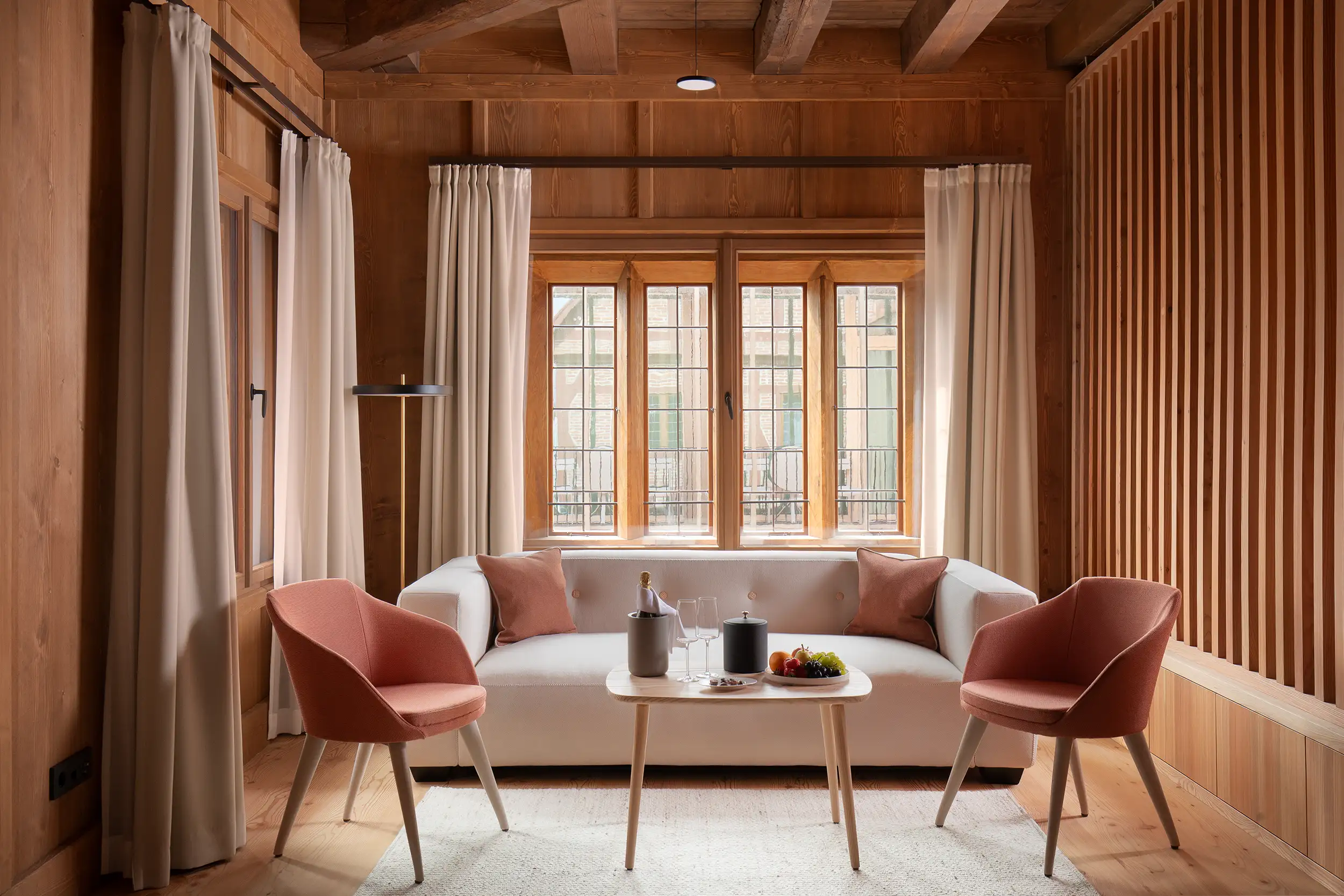
Photo shoot coordinator and team communication
The responsibility for coordinating the photo shoot should rest with a single person on the hotel’s side—typically a marketing or brand manager, whether in-house or regional. It’s essential that this person has a clear understanding of the brand, knows the hotel’s positioning, and is aligned on the expected outcomes. Equally important is the ability to communicate these needs clearly across operational teams.
Department heads usually pass information on to individual members of the operational teams (housekeeping, maintenance, F&B, spa, front office, etc.). The more these leaders are engaged—by being familiar with the broader context and goals of the shoot—the smoother the preparations will be, and the fewer adjustments will be needed during production days.
Involvement from hotel leadership also significantly streamlines preparations and decision-making on site. When senior management sees the project as a strategic priority, this mindset tends to reflect in the team’s commitment and the overall quality of the output.
Investing time in hotel photoshoot planning pays off
Careful planning for hotel photography ensures a smooth production process, higher-quality outputs, easier preparation, and effective coordination across operational teams. In the premium hospitality segment, where every detail shapes brand perception, there is no room for improvisation. A thoughtful approach not only demonstrates professionalism but also serves as a practical necessity.
Get ready for hotel photography well in advance.
A well-structured process saves time, energy, and unnecessary compromises during production. I will gladly help you plan your photoshoot to ensure the results reflect the true character of your brand.